The Gatekeeping Problem
Mental health support in America is rationed by money, geography, and time. The average wait for a therapy appointment is six weeks. A session costs $100 to $200 without insurance, assuming you can find a provider who takes your plan. If you live outside a major metro area, your options shrink fast. Rural counties often have no mental health professionals at all.
The people who need support most—neurodivergent individuals, marginalized communities, low-income families—face the steepest barriers. Even when care is technically available, stigma keeps many from seeking it. The system works for some. For everyone else, there's a gap.
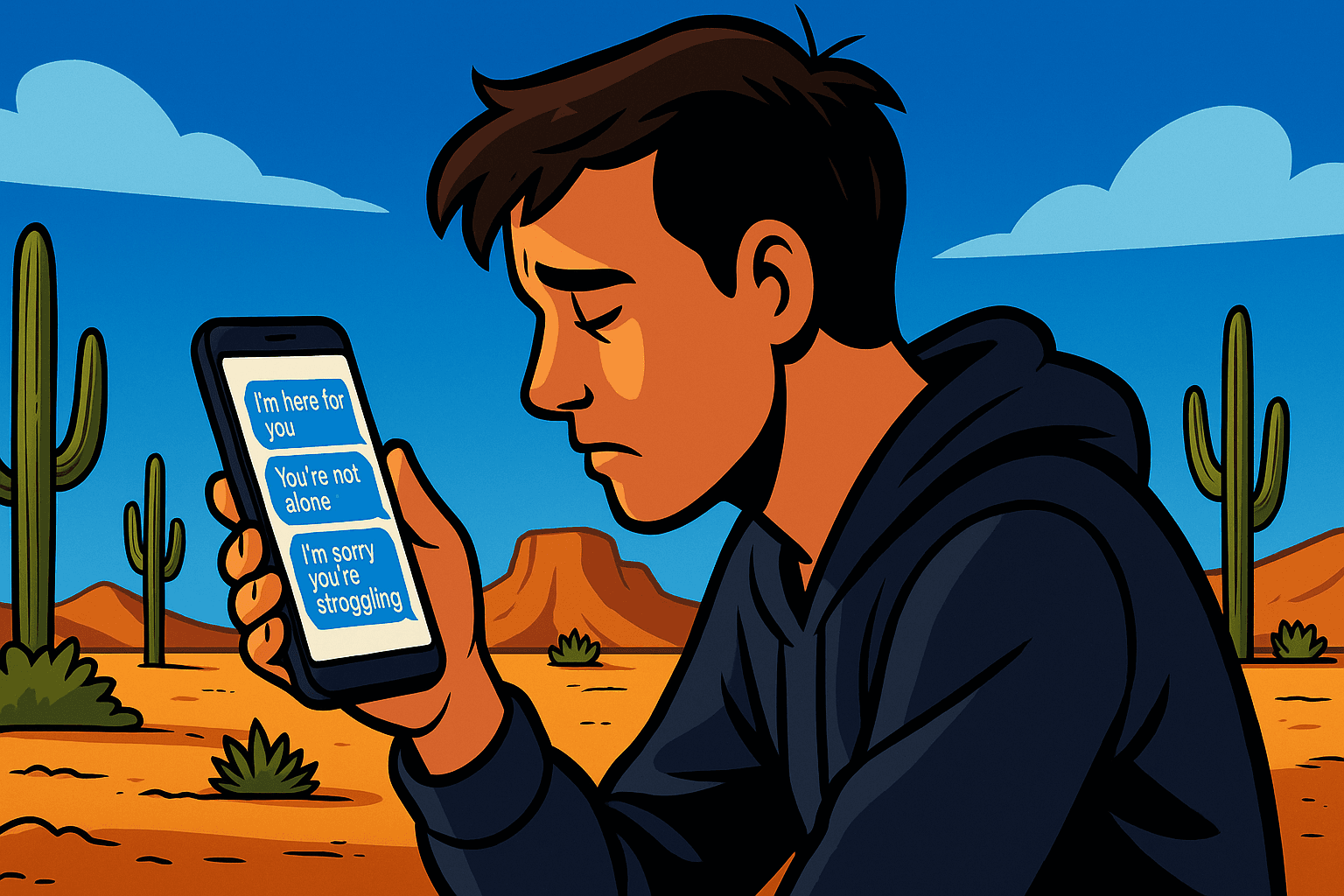
That gap is where AI is starting to show up. Not as a replacement for therapy, but as something that wasn't there before. The question isn't whether AI advisors are as good as human therapists. The question is: what happens when basic reflective support becomes available to anyone with an internet connection?
What Kyndras Is
Kyndras is our attempt to answer that question. It's a platform offering ten AI advisors, each designed as a calm, reflective companion for personal growth and wellbeing. Each advisor has a distinct focus area and personality:
Arcere: Neurodivergence and potential (ADHD, autism, executive function)
Atlyss: Self-discovery and exploration (values, reflection, CBT techniques)
Audian: Expression and authenticity (communication, nonviolent communication, assertiveness)
Crystal: Healing and progress (resilience, self-compassion, trauma-informed approaches)
Foundra: Structure and stability (habits, routines, systems)
Lensah: Clarity and focus (prioritization, goal-setting)
Solvin: Business leadership and clarity (entrepreneurship, decision-making)
Spark: Motivation and achievement
Tessa: Confidence and self-worth (CBT-informed approaches)
Unity: Relationships and connection (boundaries, attachment styles)
The platform uses a free trial model—ten messages per advisor—to lower the barrier to entry. Subscription tiers exist, but the on-ramp costs nothing. That matters when you're trying to reach people who've been priced out of traditional support.
Design as a Statement
Most AI chat tools are designed for productivity or engagement maximization. Kyndras deliberately goes the other way. The aesthetic is calm, more like a wellness studio than a SaaS dashboard. Soft typography, generous spacing, no aggressive notifications or gamification.
Each advisor has a distinct visual identity and ethos. The UI itself communicates: this is a quiet space, not another app demanding your attention. When someone is struggling with anxiety or executive dysfunction, the last thing they need is a tool that adds to their cognitive load.
The design philosophy extends to the interactions. These aren't chatbots optimized for engagement metrics. They're built to be reflective, patient, and genuinely helpful rather than sticky.
Where AI Fits and Where It Doesn't
Kyndras is explicit about what it isn't. Each advisor includes safety guardrails, crisis resources, and clear disclaimers. No diagnostic claims. Recommendations to seek professional help when appropriate. The framing matters: it's an advisor, not a therapist.
The sweet spot is reflection, structure, daily check-ins, and working through stuck patterns. Someone with ADHD getting executive function support at 2am when they can't sleep. A person in a rural area with no therapists within 100 miles. A teenager who'd never tell a parent they're struggling.
It's not a replacement for therapy, psychiatric care, or crisis intervention. But it can be a first layer of support—triage, between-session work, or help for people who can't or won't see a human provider.